Introduction
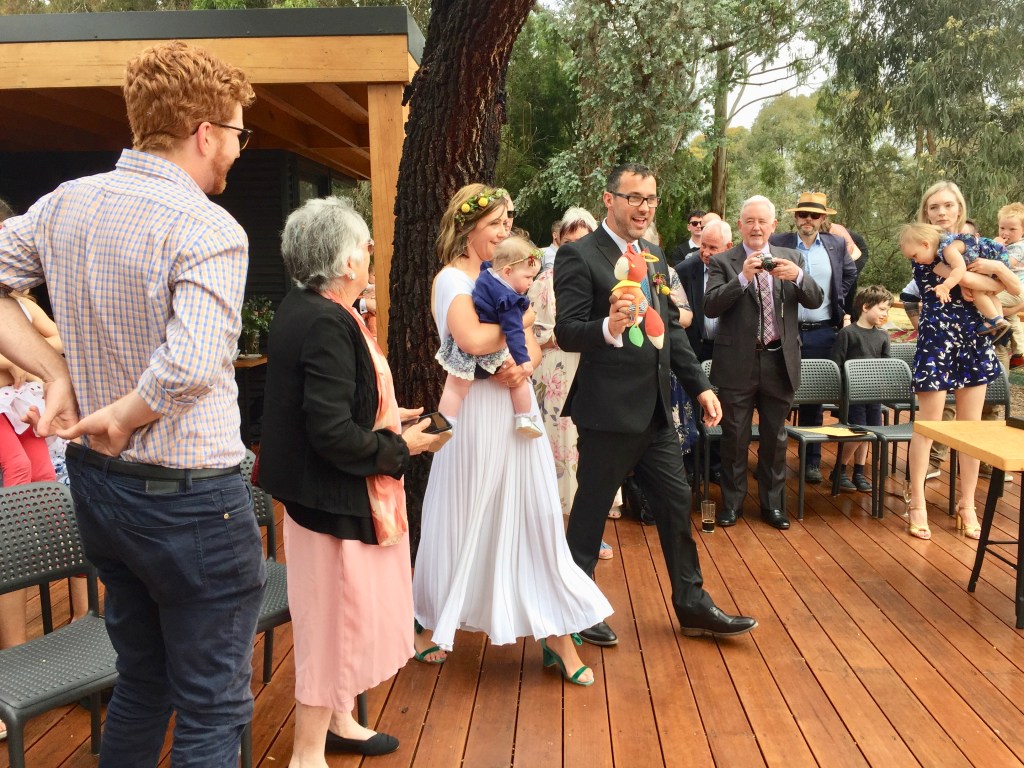
The Naming Ceremony is a meaningful secular celebration of the arrival of a new life, wherein the child is given a name.The parents, godparents, grandparents and guests express their love, support and commitment to the child. This ceremony, which originated in Australia, is also practised by civil celebrants in different countries including New Zealand, Great Britain, Canada, and the United States.
Antecedent: The Establishment of Civil Marriage and Funeral Ceremonies

Civil ceremonies were established in Australia by the humanist Attorney-General, Lionel Murphy, on July 19, 1973, when he appointed the first independent civil marriage celebrant, Lois D’Arcy. The Civil Marriage Celebrant Program engendered other civil ceremonies encouraged by Murphy, such as Funerals and Namings. This program aimed to provide meaningful, secular ceremonies of substance to those who did not want a religious ceremony.
In the mid and late 1970s, civil celebrants started to offer wholly personal non-church funeral ceremonies. This evolution provided a new way for families to celebrate the life of their loved ones who had passed away.
Difficulty in Understanding Naming Ceremonies
Next came Naming ceremonies. In the era when people were only familiar with religious baptisms, the notion of Naming or Namegiving ceremonies was difficult to understand.
Historical justification came from the historian Edward Schillibeeckx who described the role of the Naming in pre-christian Rome which recorded that a child was not a legitimate child of the family until the father had named that child in a sacred ceremony.
The renowned anthropologist, Arnold van Gennep wrote as follows:-
A rite of passage is a ceremony held by nearly all societies to observe a persons entry into a new stage of life. Rites of passage note such occasions as birth, graduation, or marriage.
Most rites help people understand and accept their new roles in society, and help others learn to treat them in new ways.”
Dally Messenger and the Development of Naming Ceremony
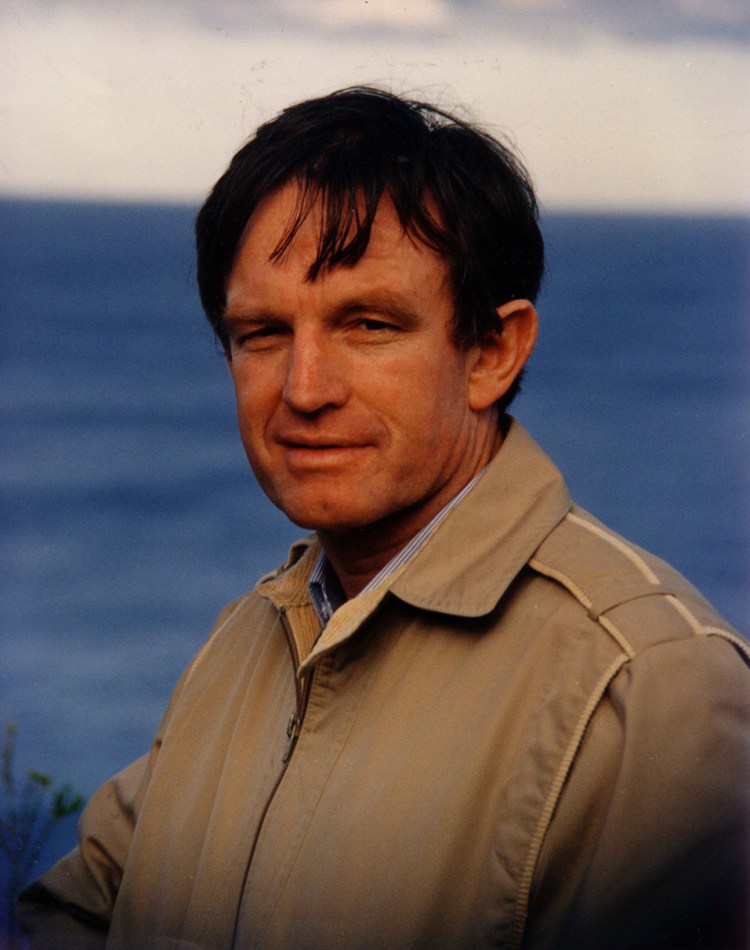
In 1979, Dally Messenger, at the instigation of the publisher, Brian Zouch, was the first civil celebrant to publish a Naming ceremony in his pioneer celebrant DIY book “Ceremonies for Today” (later “Ceremonies and Celebrations”). This Naming ceremony was adopted by most celebrants for the next 10 to 15 years.
In the mid-1990s, the International College of Celebrancy, set up by Professor Michael Parer of Monash University and under its inaugural principal, Dally Messenger III, researched and developed the pioneer Diploma in General Celebrancy. This broad ranging course, (which included the rites of passage evolved by the American, David Oldfield), over time, evolved into the naming ceremony. Creative elements were included in the development of the naming ceremony. Often included was a personal history of the parents and the child, a collection of readings of poetry and literature, and an explanation of the role of godparents in a secular sense. The College of Celebrancy also ritually included and expressed the serious and productive role of grandparents.
Contribution of celebrants Elizabeth Woodburn, Barbara Dent, Rick Barclay and others.
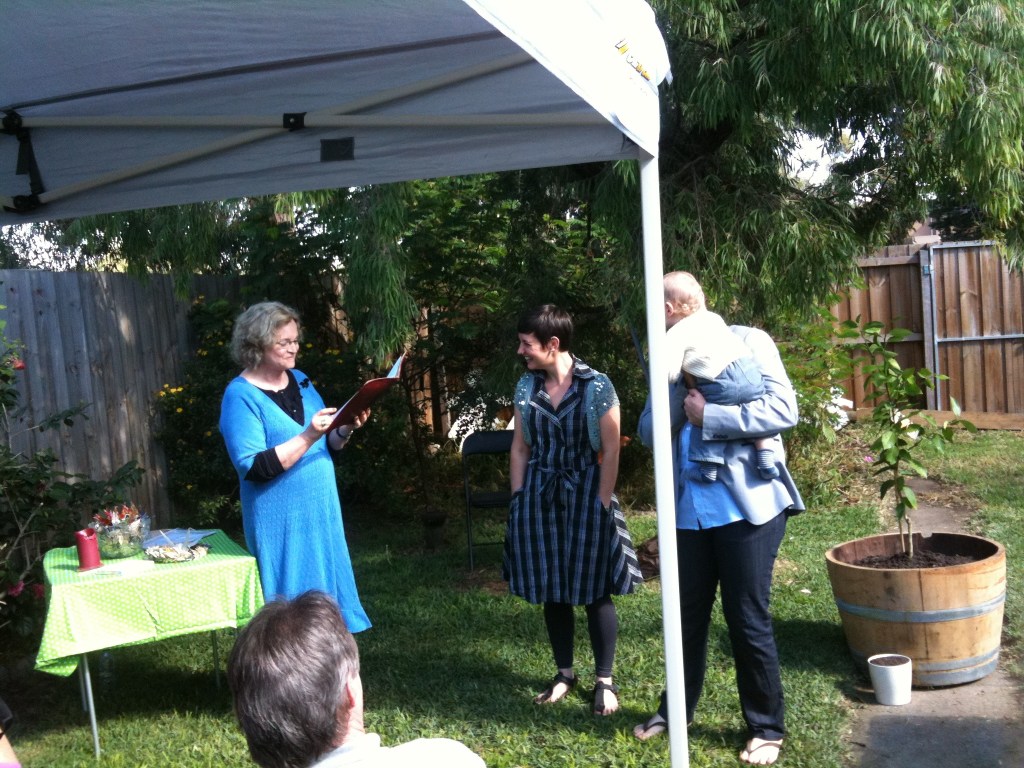
Celebrants such as Elizabeth Woodburn, Barbara Dent, Rick Barclay and others played a crucial role in the mid-1990s in giving a special impetus to the naming ceremonies by highlighting their value for the secular culture. They used stories, poetry, and quotations to articulate the values and hopes that parents and family had for the child. It was they who popularised the hitherto rarely quoted axiom, “It takes a village to rear a child”.
Almost universally included in every early Naming ceremony was an adaptation of the pedagogic quotation ascribed to Dorothy Law Nolte which begins.
If a child lives with criticism, she learns to condemn.
If a child lives with hostility, she learns to fight.
If a child lives with ridicule, she learns to be shy.
If a child lives with shame, she learns to feel guilt ……..
Another quotation almost as frequently used as Nolte’s was from Bryce Courtenay who encouraged the International College of Celebrancy in its use. It was adopted from “A Recipe for Dreaming”.
“Nature formed you with perfect feet and hands
and a heart that beats non-stop,
sometimes for a hundred years.
You were made complete.
You have inherited a thousand generations
of wisdom, skill, poetry, song,
all the sunrises and sunsets of knowledge past.
You are the sum of all the people who went before you …….”
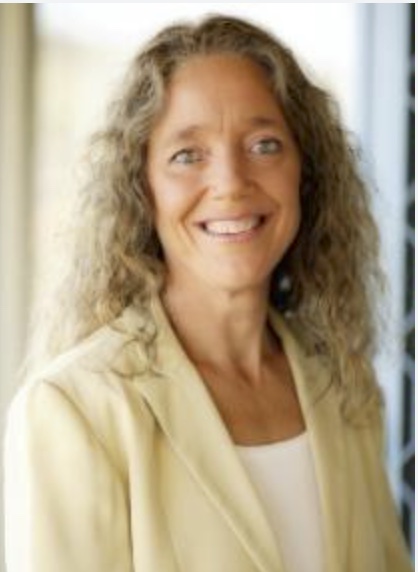
Celebrants such as Anna Herriot published a creative response to the special needs of other siblings of the child in a way that avoided jealousy and shared the joy with them. Celebrant Wendy Haynes brought her own original ideas and creative components. She inspired a broad range of celebrants in her cutting edge handbook “ How to Create an Inspiring Naming Ceremony”.
Adoption of Naming Ceremonies by catholic priests
Some Catholic priests, including Fr Bob Maguire of the catholic parish of South Melbourne in Victoria, adaptedthe substantial Naming ceremony created by Dally Messenger III. In the middle of this Naming ceremony he inserted the essential sacramental church words. He baptised the infant with holy water as a brief interlude within the Naming ceremony. This became a “workaround” as, in the catholic liturgy, the belief was expressed that a newborn baby was born in sin and needed to have an exorcism (casting out of the devil) Many catholic couples reacted badly to this official doctrine.
Creative Responses and variations by Celebrants. Establishment of Naming Ceremonies in countries other than Australia.
As Civil Celebrants became established in New Zealand, Great Britain, Canada, and the United States, Naming ceremonies became part of the secular scene. In the United States, Cindy X developed a variation aimed at adopting parents, which was a significant success.
Recent Setback
Since 2003 in Australia, Naming and other ceremonies received a setback when the administration of marriage celebrants was taken over by some “religious” public servants who were hostile to the range of ceremonies needed by secular people. They emphasised the legalities of the marriage ceremony as the main preoccupation of civil celebrants. They also organised an oversupply of celebrants thus encouraging hostile competitiveness and lower standards.
—————————————————————-
References
Messenger III, Dally (1999), Ceremonies and Celebrations, Hachette -Livre Australia (Sydney) ISBN 978-0-7336-2317-2
Messenger, Dally; ”Murphy’s Law and the Pursuit of Happiness: a History of the Civil Celebrant Movement”, Spectrum Publications, Melbourne (Australia), 2012 ISBN|978-0-86786-169-3
Heriot, Anna, Naming the Child and Appointing the Angels, A Celebrant’s Notebook, Brisbane West, 2018, ISBN 978-0-646-98848-5 p.133
Haynes, Wendy, “ How to Create an Inspiring Naming Ceremony”, Boolarong Press, Salisbury Queensland, 2007.
Van Gennep, Arnold, as quoted in Messenger, Dally, Namegivings, Ceremonies for Today, DMPR Pty Ltd (originally Brian Zouch Publications Pty Ltd), Noble Park, VIC ISBN 0 64610349 0 p83

 Australian Humanist Celebrant Network